

How to Use Essential Oils ?
Using essential oils in your daily life is easy and intuitive. You do not need expert knowledge. With a little basic understanding, you can safely and effectively bring them into your self care, home, and wellness routines.
Getting Started
Start with your intention.
Before choosing an oil, pause and ask what you wish to support, whether it is relaxation, focus, sleep, emotional balance, physical comfort, or the energy of your space. Your intention helps guide the plant’s work with you and allows you to choose oils more consciously.
Know your oil.
Use it simply.
Ways to Use Essential Oils
Essential oils can be integrated into daily life in simple and effective ways. Their versatility allows them to work through the senses, the skin, and in certain cases, internally. Understanding how each method works helps you use them safely and intentionally.
1. Through Inhalation : Working Through the Senses
You can experience essential oils aromatically by:
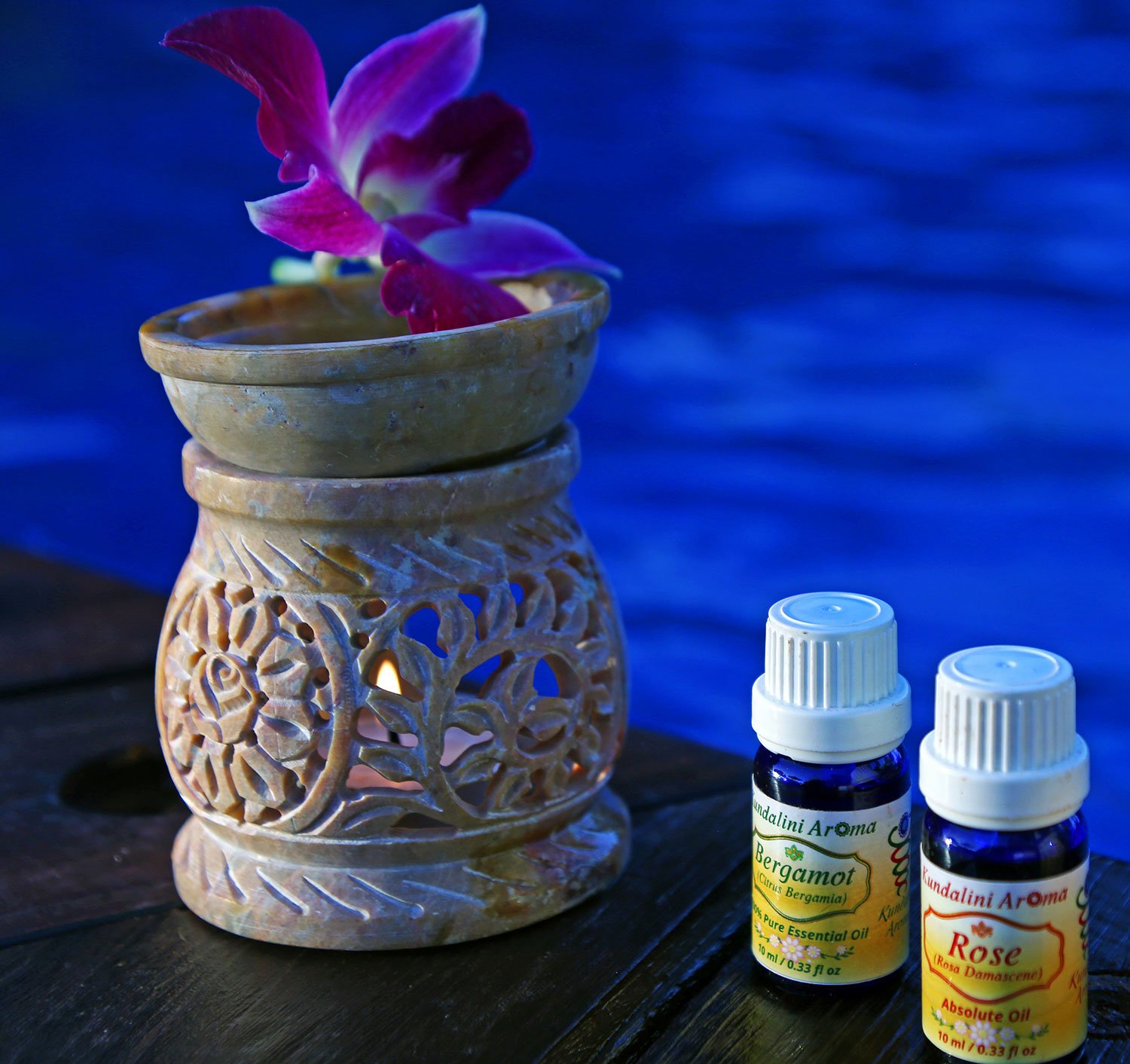
- Diffusing them into your living or work space
- Placing a drop in your palms and inhaling deeply
- Wearing them as a natural personal fragrance
This method is ideal for creating atmosphere, uplifting energy, calming the mind, or enhancing focus.
2. Through the Skin : Targeted and Supportive Application
Essential oils can also be applied topically when properly diluted with a carrier oil. The skin absorbs these plant compounds, allowing them to support the body in a localized and therapeutic way.
Topical applications include:
- Blending into massage oils
- Applying to specific areas of the body
- Adding to lotions, creams, or facial oils
This method is commonly used for relaxation, skincare, muscle comfort, and overall wellbeing.
3. Internal Use : When Appropriate and Guided
Some essential oils may be used internally, but only when clearly indicated as safe and used with proper guidance. Internal use allows the plant compounds to circulate within the body.
Methods may include:
- Adding a drop to water
- Taking in a vegetable capsule
- Placing a drop under the tongue
It is important to ensure the oil is suitable for internal use and to follow proper safety recommendations before using this method.
Using Essential Oils Aromatically
One of the most immediate and powerful ways to experience essential oils is through inhalation. The sense of smell is directly connected to the emotional and memory centers of the brain, which is why aroma can instantly influence mood, focus, relaxation, and overall mental state.
When you inhale an essential oil, its aromatic molecules interact with receptors in the nose that communicate with the limbic system. This is why certain oils may feel uplifting and energizing, while others feel grounding, soothing, or calming.
Simple Ways to Use Oils Aromatically
Diffuse into your space.
Add a few drops to a diffuser to gently disperse the aroma throughout a room, creating a supportive atmosphere for work, rest, meditation, or daily living.
Inhale directly.
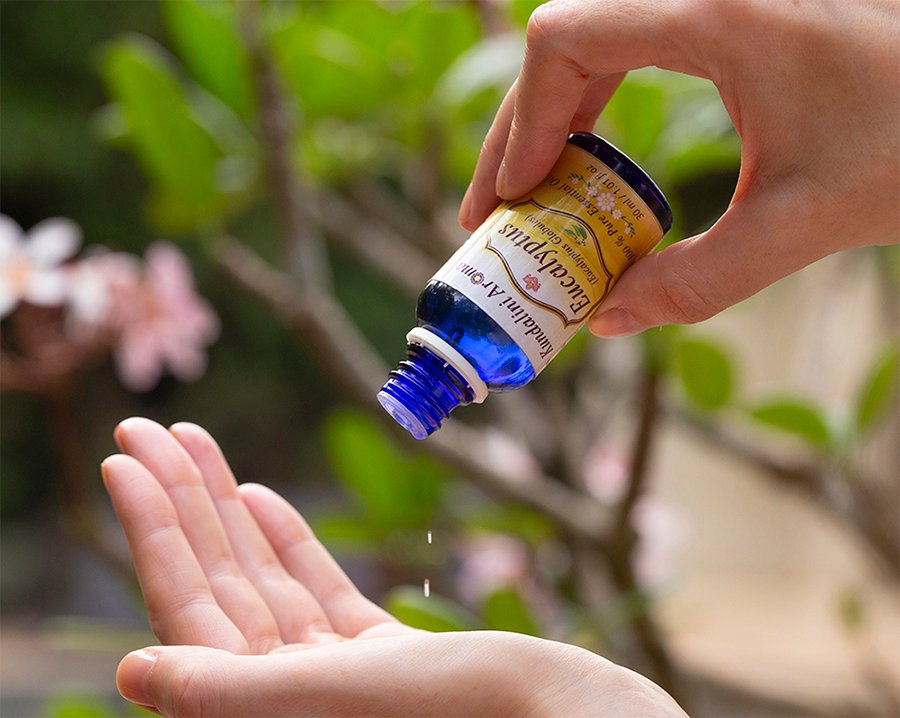
Place one or two drops into your palms, rub them together gently, cup your hands over your nose, and take slow, deep breaths. This method is simple, immediate, and does not require any equipment.
Refresh your surroundings naturally.
Add a few drops to water in a spray bottle and lightly mist linens, curtains, or living spaces for a natural aromatic uplift.
Enhance everyday routines.
Place a drop on a cotton pad in your car, add a few drops to laundry, or include essential oils in natural home cleaning solutions to create a fresh and plant-based environment.
Aromatic use is one of the easiest ways to integrate essential oils into daily life. With just a few drops, you can shift the atmosphere around you and gently support your emotional and mental balance.
Using Essential Oils on the Skin
Applying essential oils to the skin is a practical and effective way to experience their localized benefits. When properly diluted with a carrier oil, essential oils are absorbed through the skin and can support skin health, relaxation, and overall wellbeing. At Kundalini Aroma, we create pure, potent essential oils designed to be both effective and gentle when used correctly. When incorporated into daily care, they can help maintain healthy-looking skin, support balance, and enhance natural vitality.
How to Apply Safely
Always dilute essential oils with a suitable carrier oil before applying to the skin, and follow the usage guidelines provided on the label or website.
Common Application Areas Essential oils may be gently applied to:
- The neck and shoulders
- The forehead and temples (avoiding strong or warming oils in sensitive areas)
- The chest and abdomen
- Arms, legs, and the soles of the feet
These areas are often chosen for relaxation, massage, or targeted support.
Additional Topical Methods
- Add a few diluted drops to a warm bath for a relaxing soak
- Prepare a warm or cool compress by adding diluted oil to water and applying with a cloth
- Blend with a lotion, cream, or body oil as part of your skincare routine
Areas to Avoid
Do not apply essential oils to:
- The eyes or inner ears
- The delicate skin around the eyes
- Broken, irritated, or damaged skin
Topical use allows essential oils to become part of your daily rituals, from massage and skincare to restorative baths, offering a simple and natural way to care for your body.
Using Essential Oils Internally
Certain essential oils may be used internally when clearly indicated as safe and used with proper care. When consumed appropriately, their active plant compounds are absorbed through the digestive system and distributed throughout the body.
Because essential oils are highly concentrated botanical extracts, internal use should always follow the specific guidelines provided on the product label and company website. Proper dosage and suitability are essential.
Ways to Use Essential Oils Internally
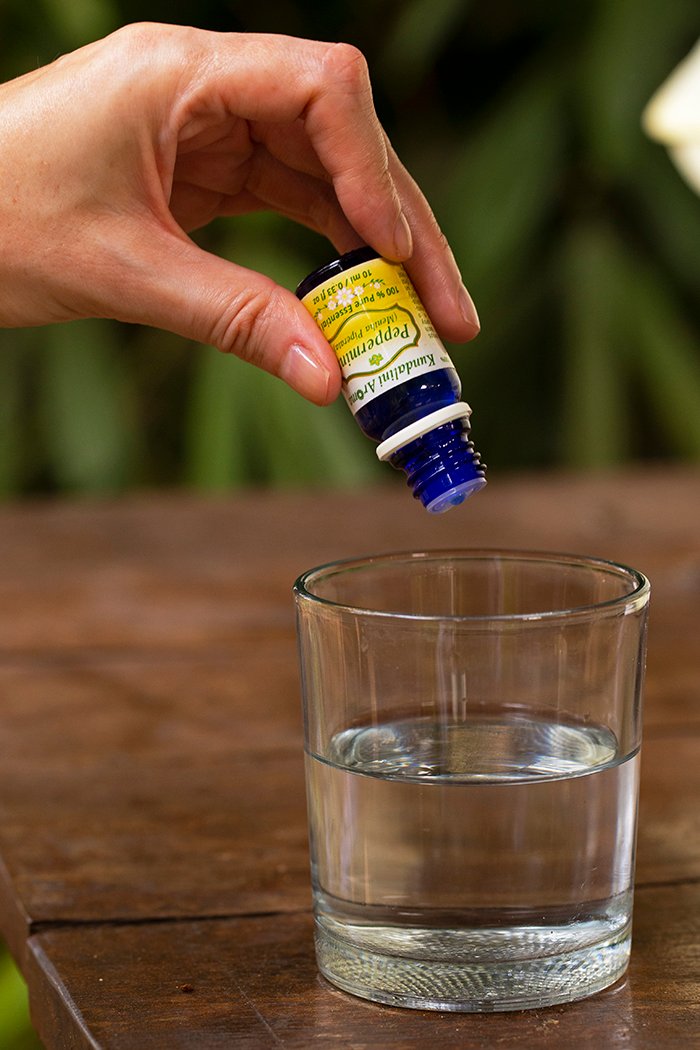
- Add a drop to water, herbal tea, or other beverages
- Place a diluted drop under the tongue when appropriate
- Take in a vegetable capsule for measured intake
- Incorporate into cooking or baking as a concentrated alternative to herbs and spices
When using essential oils in food preparation, remember that they are far more potent than fresh or dried herbs. Begin with the smallest possible amount, such as dipping a toothpick into the oil and stirring it into your recipe. Internal use can be a meaningful way to experience the full spectrum of plant benefits, provided it is approached with awareness, moderation, and respect for the strength of these natural extracts.