
Discover the Ancient Art of Aromatherapy with Kundalini Aroma
What is Aromatherapy ?
At Kundalini Aroma, Aromatherapy is both an art and a science — a sacred practice that unites the healing intelligence of nature with human consciousness. It utilizes naturally extracted aromatic essences from plants to balance and harmonize the body, mind, and spirit.
This ancient practice traces back thousands of years, when essential oils and herbs were revered in temples and healing sanctuaries for their medicinal and spiritual powers. From the rituals of Egypt to the healing systems of Ayurveda and Siddha Medicine, aromatic plants have long been used to restore vitality, purify the mind, and awaken the spirit.
In our modern world, Aromatherapy continues this lineage — offering a form of holistic medicine that nurtures both prevention and healing. At Kundalini Aroma, we see it as a pathway to self-awareness and energetic balance, guided by the wisdom of nature and rooted in integrity, sustainability, and ancient alchemical tradition.
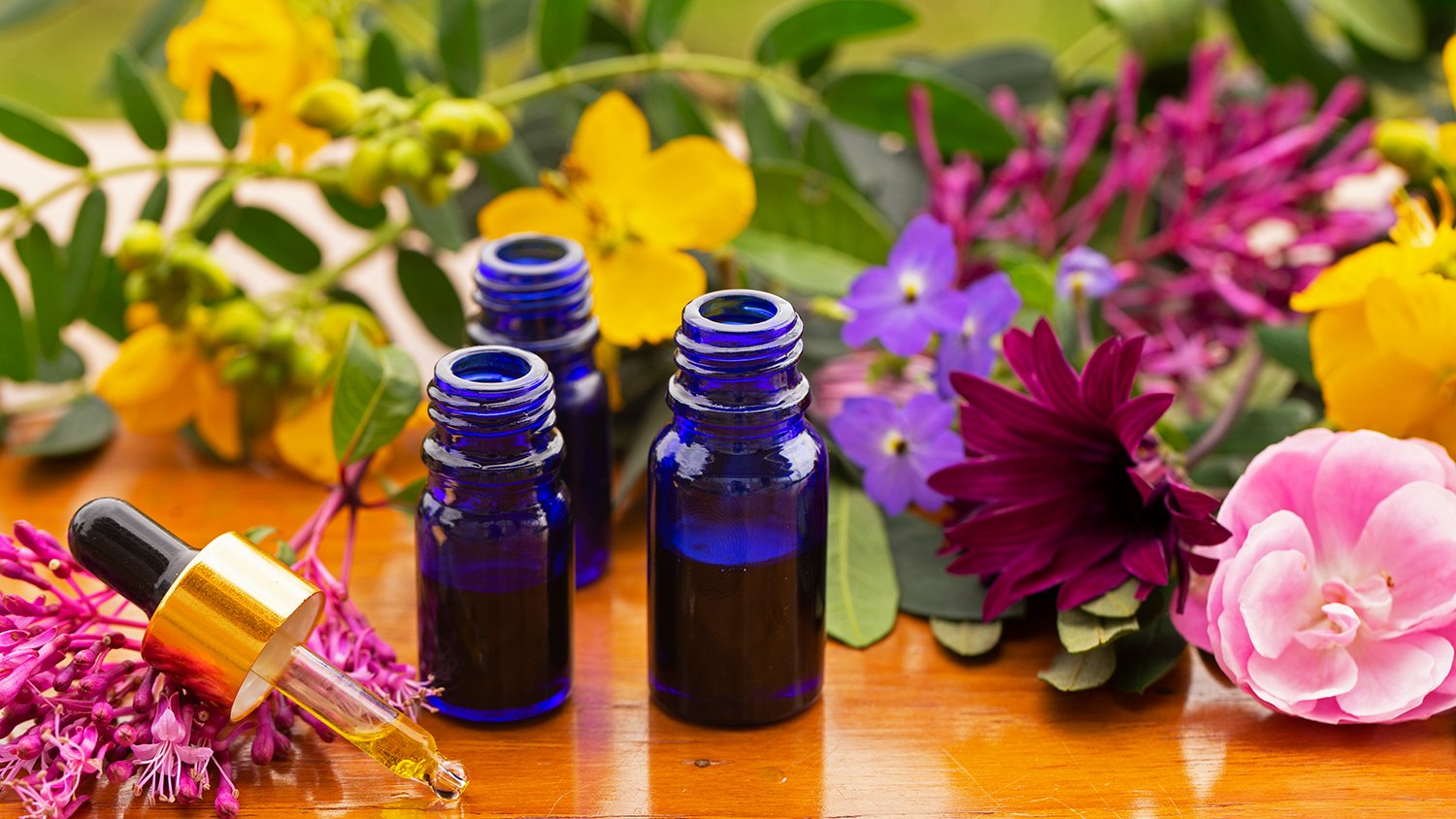
The Power of Scent
Your sense of smell is one of the most profound channels to the subconscious mind. A single inhalation of pure essential oil can awaken deep-seated memories, emotions, and sensations. When a fragrance is inhaled, its aromatic molecules bypass the thinking brain and directly stimulate the limbic system — the part of the brain that governs emotions, desires, and memories.
This direct connection is why aromas can influence mood, energy, and physiological responses with subtle yet transformative power. Calming oils like lavender or frankincense can ease tension and invite peace; uplifting essences like bergamot or citrus can restore optimism and joy.
Through the breath of plants, Aromatherapy becomes a dialogue between nature and the soul — gently guiding one toward inner harmony, emotional balance, and expanded states of consciousness.
At Kundalini Aroma, each essence we craft is more than an aroma — it is a living vibration, distilled with devotion to carry the spirit of the plant and its healing intelligence to those ready to receive it.
Therapeutic Benefits
Aromatherapy is more than just enjoying pleasant scents; it is about healing. Essential oils contain specific properties that trigger therapeutic effects in the body. Whether inhaled deeply or applied topically with carrier oils, these oils can produce significant benefits, such as:
Physical Healing
Essential oils contain a diverse range of therapeutic compounds — including terpenes, esters, alcohols, and phenols — that contribute to their antibacterial, anti-inflammatory, antiviral, and regenerative actions. When applied in properly diluted forms, they assist in improving circulation, relieving muscular tension, supporting respiratory health, and enhancing skin vitality.
For instance, Eucalyptus and Peppermint help open the airways and relieve congestion; Tea Tree supports immune function and skin repair; Rosemary promotes circulation and muscular recovery.
In aromatherapy, the goal is not to treat symptoms in isolation, but to stimulate the body’s innate healing intelligence. When used consistently and safely, essential oils work synergistically with the body’s natural processes, fostering overall vitality and resilience.
Emotional Balance
The aroma of essential oils has a direct connection to the limbic system — the part of the brain that governs emotions, memory, and mood regulation. When inhaled, the aromatic molecules of essential oils can stimulate neurotransmitters such as serotonin and dopamine, helping to ease stress, anxiety, and emotional fatigue.
Floral oils like Lavender and Ylang-Ylang calm the nervous system and support relaxation; citrus oils such as Bergamot and Orange uplift mood and promote optimism; grounding oils like Cedarwood and Vetiver provide emotional stability.
Used in diffusers, massage blends, or bath rituals, these oils gently guide the body and mind toward emotional equilibrium, helping to release accumulated tension and restore inner peace.
Mental Clarity
The aromatic influence of essential oils can also enhance cognitive performance and concentration. By stimulating the olfactory pathways and improving oxygen flow to the brain, certain oils support alertness and focus.
Lemon, Basil, and Rosemary are known to sharpen memory and mental clarity; Frankincense deepens focus and supports meditative awareness. These oils can be diffused during study, work, or mindfulness practices to clear mental fatigue and enhance presence of mind.
Incorporating essential oils into daily routines helps balance the nervous system, reduces mental stress, and promotes a state of alert relaxation — a foundation for sustained mental clarity and well-being.
Ayurvedic Integration
In Ayurveda, aromatherapy is a vital tool for prevention and healing. Practitioners use essential oils to protect the vital force (prana), regulate digestion and metabolism (agni), and increase resistance to disease (ojas). This holistic approach ensures that your body's natural balance is maintained, supporting overall health and well-being.