
How to Safely Use Essential Oils
Essential oils are highly concentrated extracts that embody the vital life force of plants. Each drop carries a complex array of aromatic molecules that interact with the body, mind, and spirit through various pathways — absorption through the skin, inhalation through the olfactory system, and subtle energetic influence on our emotional and mental states.
To experience their full therapeutic potential, essential oils must be used with mindfulness, correct dilution, and respect for their potency.
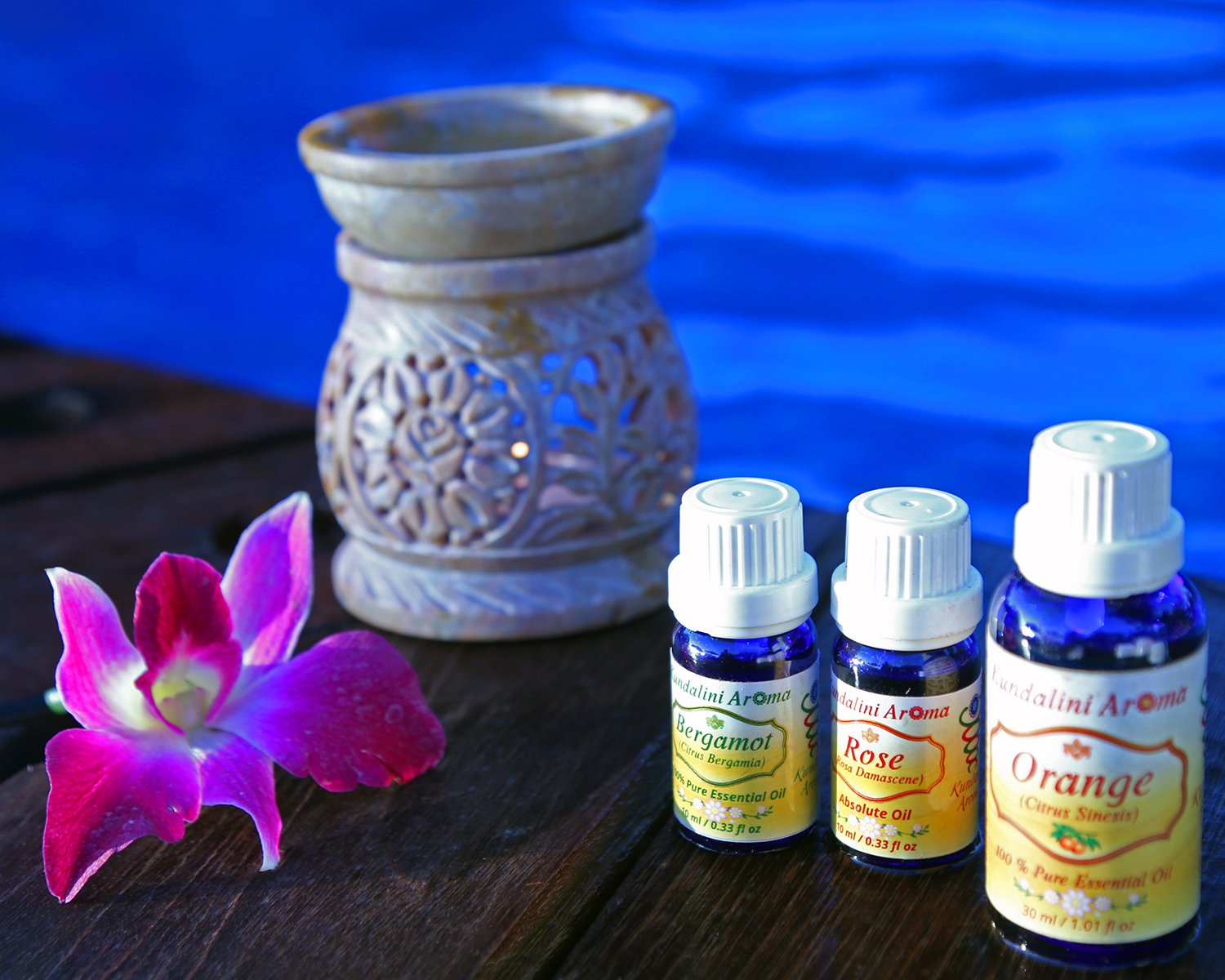
Diffusion & Inhalation
The most direct and immediate way to experience essential oils is through inhalation. When diffused into the air or inhaled directly, aromatic molecules travel through the olfactory system to the limbic brain, influencing mood, memory, and physiological responses.
Diffuser
Steam Inhalation
Direct Inhalation
Topical Application
Applied to the skin, essential oils penetrate through the epidermis and enter the bloodstream, where their active compounds interact with the body’s systems.
They must always be diluted in a carrier oil — such as Jojoba, Sweet Almond, Apricot Kernel, or Avocado — before topical use, to ensure safety and effective absorption.
Massage: Combine 3–5 drops of essential oil with 10 ml of carrier oil for a deeply therapeutic body massage. This supports circulation, relieves muscular tension, and calms the nervous system and many more benefits.
Facial & Body Oils: Add 1–2 drops of gentle oils like Lavender, Frankincense, or Geranium to 10 ml of carrier oil for skincare rituals.
Bath Soak: Mix 4–6 drops of essential oil with a tablespoon of carrier oil or natural salts before adding to warm bath water for total relaxation, emotional reset and other effects.
Targeted Application: Use diluted blends to soothe specific areas — such as temples for headaches, abdomen for digestion, or joints & muscles for pain relief and many more applications.
Each topical application becomes a mindful act of self-care, deepening your connection with nature’s intelligence and your own inner rhythm.
Environmental & Energetic Use
Essential oils can be used to purify, refresh, and energetically harmonize your surroundings.
Their antimicrobial and mood-balancing properties make them powerful allies in cleansing both physical and subtle spaces.

Room Spray
Mix 20–30 drops of essential oil blend with 100 ml of purified water and a teaspoon of alcohol (optional) in a spray bottle. Shake well before each use.

Mopping Water
Add a few drops of purifying oils like Lemongrass, Eucalyptus, Cedarwood, or any other cleansing oil, to the cleaning water to refresh and purify the energy of your space.

Meditation And Ritual
Diffuse grounding or high-vibration oils — such as Sandalwood, Palo Santo, or Frankincense — to deepen meditation and connect with higher consciousness.
Hot & Cold Compress
A compress is a simple yet powerful way to apply essential oils for local healing, pain relief, inflammation, or circulatory stimulation.
It allows the therapeutic compounds to penetrate deeply into tissues while harnessing the temperature’s healing effect.
To Prepare a Compress
- Fill a small bowl with hot or cold water, depending on the condition being treated.
- Add 3–5 drops of the chosen essential oil (diluted first in a teaspoon of carrier oil or dispersant such as salt or milk).
- Soak a clean cloth in the water, wring it out, and place it on the affected area.
- Cover with a dry towel to retain heat or cold and rest for 10–15 minutes.
Ingestion — Only Under Professional Guidance
While some traditional systems of healing — such as Siddha Medicine, Ayurveda, and clinical aromatherapy — include the internal use of essential oils in micro-doses, this practice must be done only under the guidance of a trained practitioner or aromatherapist.
Essential oils are highly concentrated and can irritate mucous membranes or internal organs if taken incorrectly. However, when used responsibly and professionally, ingestion may support deep therapeutic action such as digestive balance, immune strengthening, or detoxification.
Key Principles for Safe Ingestion:
- Only use 100% pure, therapeutic-grade essential oils verified for internal use.
- Always dilute the oil in a suitable carrier medium such as honey, ghee, or a lipid-based capsule.
- Never exceed 1–2 drops per dose, and limit duration as advised by a qualified professional.
- Oils known to be toxic, neurotoxic, or irritating (e.g. Wintergreen, Camphor, Wormwood, Pine, etc.) should never be ingested.
- Pregnant or lactating women, children, and people with chronic illness should avoid ingestion unless prescribed by a medical or Siddha practitioner.
Safety & Mindful Practice
- Always dilute essential oils before applying to skin.
- Avoid direct contact with eyes and mucous membranes.
- Store in dark glass bottles (as Kundalini Aroma does) to preserve their vitality.
- Keep away from sunlight and heat.
- Conduct a patch test before first use.
- Some oils are photosensitive (like Lemon or Mandarin) — avoid direct sunlight on the applied area for 8 hours after application.
- Pregnant women, children, and those with specific health conditions should seek professional guidance before use.